
The evolution of gambling from ancient rituals to modern casinos
The evolution of gambling from ancient rituals to modern casinos
Origins of Gambling: Ancient Practices
The history of gambling can be traced back thousands of years to ancient civilizations, where it often intertwined with cultural and spiritual practices. Archaeological findings reveal that the earliest forms of gambling involved casting stones or bones, which would determine fates or outcomes in rituals. For instance, in ancient China, around 2,000 BC, people utilized rudimentary games of chance, often associated with religious ceremonies aimed at predicting the future or securing divine favor. Today, if you’re looking to play, exploring the best payid casinos can provide you with great options and experiences.
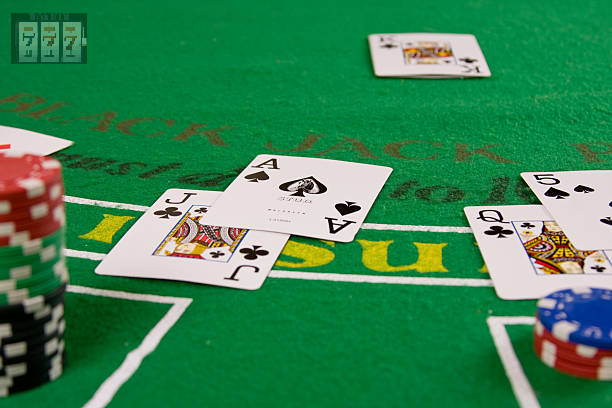
These early gambling activities were often communal, fostering social connections among participants. In ancient Rome, for example, betting on gladiatorial contests and chariot races became widespread. These public events not only provided entertainment but also served as a form of escapism for the masses, highlighting how gambling was not merely about chance but also about social engagement and community bonding.
As these ancient practices evolved, so did the methods of gambling. The introduction of dice, which dates back to around 600 BC in India, revolutionized the gambling landscape. These innovations reflected a growing sophistication in human entertainment, as people began to develop structured games with rules, stakes, and organized play, laying the foundation for modern gambling practices.
The Development of Formal Gambling Systems
The transition from informal betting to more formalized gambling systems marked a significant turning point in the history of gambling. During the Middle Ages, various regions began to regulate gambling activities, recognizing their economic potential. The establishment of state-controlled lotteries in Europe exemplified this shift, as governments sought to generate revenue through organized gambling. These lotteries were often linked to public works and charitable causes, integrating gambling into the social fabric.
By the 16th century, gambling houses began to emerge in cities across Europe, offering a variety of games that attracted a burgeoning middle class. The invention of the printing press further propelled gambling culture by distributing information about games, rules, and odds, making it more accessible to the general public. The emergence of games like poker and blackjack during this period highlighted a growing interest in skill-based gambling, which can enhance your chances of winning.
This era also saw the rise of professional gamblers and the development of strategies aimed at improving winning odds. As people began to view gambling not just as a pastime but as a potential source of income, the need for fairness and integrity in gaming became paramount. This led to the establishment of rules, regulations, and the concept of house odds, paving the way for the more structured gambling environments we see today.
The Birth of Modern Casinos
The modern casino concept began to take shape in the 17th and 18th centuries, particularly in Europe, where opulent gaming houses catered to the elite. Venice’s Casino di Venezia, established in 1638, is often regarded as the first official casino, embodying the luxurious atmosphere that would become synonymous with gambling establishments. These venues not only offered games of chance but also served as social hubs for entertainment, dining, and camaraderie.
As gambling spread to the Americas, particularly during the gold rush of the 19th century, casinos began to take on a unique American flavor. The introduction of gaming tables and slot machines revolutionized the gambling experience, attracting a broader audience. The iconic Las Vegas Strip emerged in the mid-20th century as a focal point for gambling tourism, combining lavish shows and elaborate resort experiences, thus transforming the gambling landscape forever.
The evolution of casinos continued with advancements in technology. The introduction of electronic slot machines in the 1960s and online casinos in the late 1990s opened new avenues for players. Today, casinos are not just physical locations; they have transcended into the digital realm, offering live dealer games, sports betting, and an immersive gaming experience from the comfort of home, reflecting the diverse needs of modern gamblers.
The Influence of Technology on Gambling
The advent of technology has profoundly reshaped the gambling industry, enhancing both the gaming experience and accessibility. With the introduction of the internet, online gambling platforms emerged, providing players with convenience and a wider selection of games. This shift democratized gambling, allowing individuals to engage from virtually anywhere, breaking the geographical barriers that once confined players to brick-and-mortar establishments.
Moreover, mobile technology has further propelled the gambling industry into the digital age. With the increasing use of smartphones, players can now access their favorite games on the go, enabling a more spontaneous and flexible gaming experience. Mobile apps and optimized websites have made it easier than ever for gamblers to place bets, track winnings, and participate in promotions, significantly enhancing user engagement.
The incorporation of advanced technologies, such as virtual reality and blockchain, promises to revolutionize the future of gambling. Virtual reality can create immersive environments where players can experience the thrill of a casino without leaving their homes. Blockchain technology offers transparency and security, addressing concerns about fairness and trust in online gambling. As technology continues to evolve, it will undoubtedly shape the future of gambling, leading to innovative experiences and increased player engagement.

Exploring the World of Gambling Today
Today, gambling represents a multi-billion-dollar industry with various forms, from traditional casinos to online platforms, sports betting, and even esports betting. The landscape is diverse, catering to varying preferences and demographics, making it an inclusive activity enjoyed by millions worldwide. Major events like the Super Bowl and the World Cup have integrated betting into their frameworks, demonstrating the growing acceptance of gambling in mainstream culture.
Modern casinos have also embraced corporate social responsibility, focusing on promoting responsible gambling practices. Many establishments provide resources for players, including self-exclusion programs and educational materials on gambling addiction, showcasing an awareness of the potential risks associated with gambling. This balance between entertainment and responsibility highlights the industry’s commitment to protecting its players while providing enjoyable experiences.
Online gambling platforms have surged in popularity, particularly in regions where regulations have adapted to accommodate this trend. The rise of cryptocurrency as a payment method has further revolutionized online gambling, offering anonymity and security. Players now have access to an abundance of options, ensuring that whether they prefer poker, slots, or sports betting, there is something available to suit their tastes.